

Hoodies have become a staple in wardrobes around the world, cherished for their comfort, versatility, and style. As a leading hoodie supplier, I've had the privilege of working with a wide range of materials to create the perfect hoodies for our customers. In this blog post, I'll explore the most common materials used in hoodie production, their unique characteristics, and the benefits they offer.
Cotton
Cotton is one of the most popular materials for hoodies, and for good reason. It's soft, breathable, and comfortable to wear, making it ideal for everyday use. Cotton hoodies are also absorbent, which means they can wick away sweat and keep you dry. Additionally, cotton is a natural fiber, which makes it hypoallergenic and suitable for people with sensitive skin.
There are several types of cotton used in hoodie production, including combed cotton, ring-spun cotton, and organic cotton. Combed cotton is made by removing the shorter fibers from the cotton, resulting in a smoother, stronger, and more durable fabric. Ring-spun cotton is made by spinning the cotton fibers in a ring-shaped spindle, which results in a softer, more luxurious feel. Organic cotton is grown without the use of pesticides or synthetic fertilizers, making it a more environmentally friendly option.
One of the downsides of cotton is that it can shrink when washed, so it's important to follow the care instructions carefully. Additionally, cotton can wrinkle easily, so it may require ironing to keep it looking its best.
Polyester
Polyester is a synthetic fiber that is commonly used in hoodie production. It's strong, durable, and resistant to wrinkles, making it a great choice for active wear and outdoor activities. Polyester is also moisture-wicking, which means it can keep you dry by pulling sweat away from your skin.
One of the benefits of polyester is that it's easy to care for. It can be machine washed and dried without shrinking or wrinkling, and it doesn't require ironing. Additionally, polyester is often blended with other fibers, such as cotton, to create a fabric that combines the best of both worlds.
However, polyester is not as breathable as cotton, which means it can make you feel hot and sweaty in warm weather. It's also not as soft as cotton, so it may not be as comfortable to wear for extended periods of time.
If you're interested in a 100% polyester fabric hoodie without a zipper, check out our 100% Polyester Fabric No Zipper Hoodie.
Cotton-Polyester Blend
A cotton-polyester blend is a popular choice for hoodies because it combines the benefits of both cotton and polyester. The cotton provides softness and breathability, while the polyester adds strength, durability, and moisture-wicking properties.
Cotton-polyester blends are often used in athletic wear and outdoor clothing because they can withstand the rigors of physical activity. They're also easy to care for and don't require ironing.
One of the drawbacks of a cotton-polyester blend is that it may not be as soft as 100% cotton. Additionally, some people may be allergic to polyester, so it's important to check the label carefully if you have sensitive skin.
Fleece
Fleece is a soft, warm, and lightweight fabric that is commonly used in hoodies. It's made from polyester fibers that are brushed to create a fuzzy surface, which helps to trap heat and keep you warm. Fleece is also moisture-wicking, which means it can keep you dry by pulling sweat away from your skin.
One of the benefits of fleece is that it's easy to care for. It can be machine washed and dried without shrinking or wrinkling, and it doesn't require ironing. Additionally, fleece is often available in a variety of colors and patterns, making it a versatile choice for both casual and athletic wear.
However, fleece is not as breathable as cotton, which means it can make you feel hot and sweaty in warm weather. It's also not as durable as some other materials, so it may not last as long.
If you're looking for a plain pull-over fleece hoodie, check out our Plain Pull over Fleece Hoodies.
Satin
Satin is a smooth, shiny fabric that is often used in the lining of hoodies. It's made from silk, polyester, or a blend of both, and it has a luxurious feel. Satin is also moisture-wicking, which means it can keep you dry by pulling sweat away from your skin.
One of the benefits of satin is that it's soft and comfortable to wear. It also has a smooth surface, which makes it easy to layer under other clothing. Additionally, satin is often available in a variety of colors and patterns, making it a versatile choice for both casual and formal wear.
However, satin is not as durable as some other materials, so it may not last as long. It's also more difficult to care for than some other materials, as it may require dry cleaning to keep it looking its best.
Wool
Wool is a natural fiber that is commonly used in hoodie production. It's warm, soft, and durable, making it a great choice for cold weather. Wool is also breathable, which means it can keep you dry by allowing moisture to escape.
One of the benefits of wool is that it's naturally insulating, which means it can keep you warm even in the coldest temperatures. It's also resistant to wrinkles and shrinkage, so it's easy to care for. Additionally, wool is often blended with other fibers, such as cotton or polyester, to create a fabric that combines the best of both worlds.
However, wool can be itchy and uncomfortable for some people, especially if they have sensitive skin. It's also more expensive than some other materials, so it may not be the best choice for everyone.
Choosing the Right Material for Your Hoodie
When choosing a hoodie, it's important to consider the material that it's made from. The right material will depend on your personal preferences, the activities you'll be doing while wearing the hoodie, and the climate you live in.
If you're looking for a hoodie that's soft, comfortable, and breathable, cotton is a great choice. If you're looking for a hoodie that's strong, durable, and moisture-wicking, polyester is a better option. If you're looking for a hoodie that combines the best of both worlds, a cotton-polyester blend is a good choice.
If you're looking for a hoodie that's warm and cozy, fleece or wool is a great option. If you're looking for a hoodie that's smooth and luxurious, satin is a good choice.
Conclusion
As a hoodie supplier, I've had the opportunity to work with a wide range of materials to create the perfect hoodies for our customers. Each material has its own unique characteristics and benefits, so it's important to choose the right material for your needs.

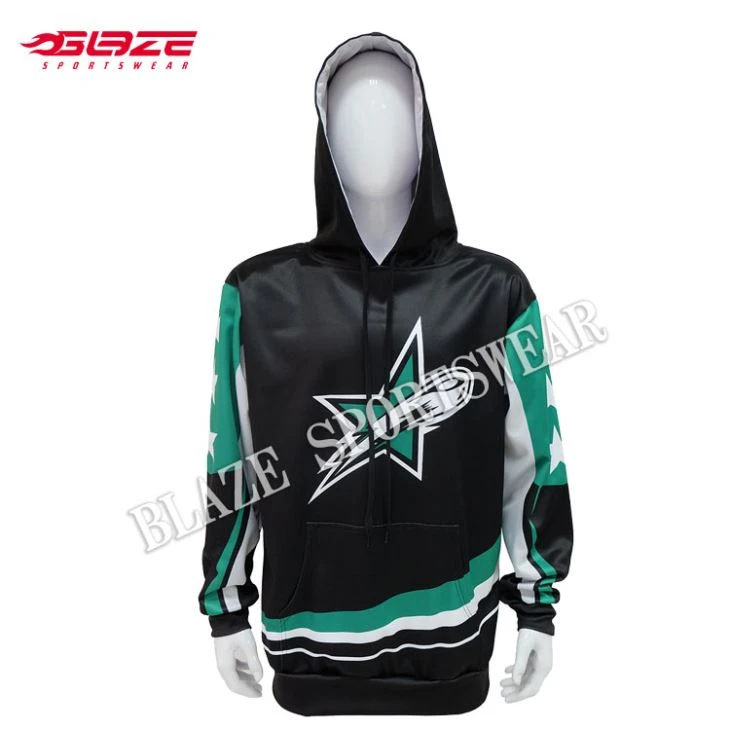
Whether you're looking for a hoodie for everyday wear, active wear, or outdoor activities, there's a material that's right for you. By considering the factors discussed in this blog post, you can choose a hoodie that's comfortable, stylish, and functional.
If you're interested in our personalized sublimation printing hoodies for men, check out our Mens Personalized Sublimation Printing Hoodie.
If you're interested in purchasing hoodies for your business or organization, please contact us to discuss your options. We offer a wide range of hoodies in different materials, styles, and colors, and we can work with you to create a custom design that meets your needs.
References
- "Fabric Guide: Cotton." The Spruce Crafts, https://www.thesprucecrafts.com/cotton-fabric-guide-4153063.
- "Fabric Guide: Polyester." The Spruce Crafts, https://www.thesprucecrafts.com/polyester-fabric-guide-4153064.
- "Fabric Guide: Cotton-Polyester Blend." The Spruce Crafts, https://www.thesprucecrafts.com/cotton-polyester-blend-fabric-guide-4153065.
- "Fabric Guide: Fleece." The Spruce Crafts, https://www.thesprucecrafts.com/fleece-fabric-guide-4153066.
- "Fabric Guide: Satin." The Spruce Crafts, https://www.thesprucecrafts.com/satin-fabric-guide-4153067.
- "Fabric Guide: Wool." The Spruce Crafts, https://www.thesprucecrafts.com/wool-fabric-guide-4153068.