

Cultural factors play a pivotal role in shaping the designs of a hoodies factory. As a supplier for a hoodies factory, I've witnessed firsthand how diverse cultures can influence the aesthetic, functionality, and overall appeal of hoodies. In this blog, I'll delve into the various ways cultural factors impact our hoodie designs and how we incorporate these elements to create unique and market - relevant products.
Aesthetic and Symbolism
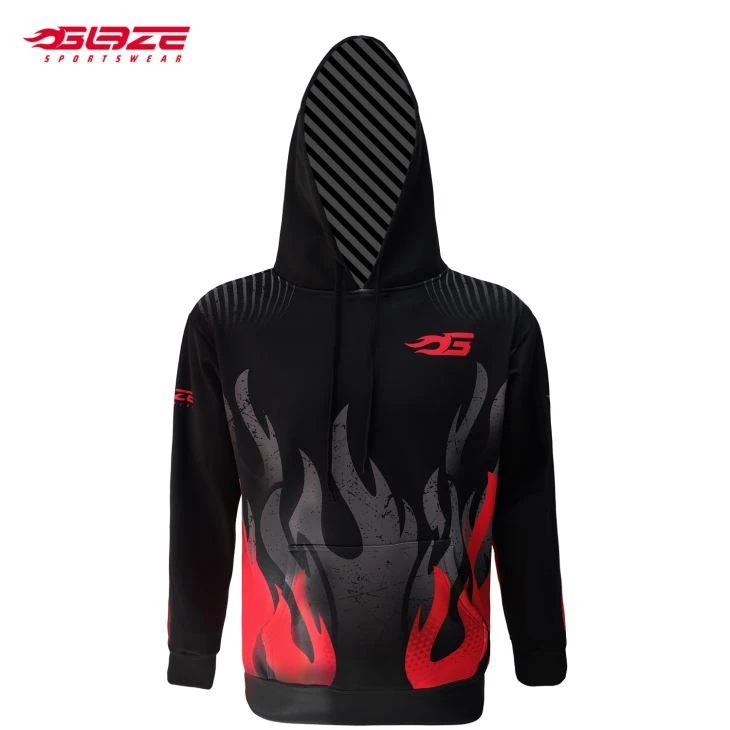
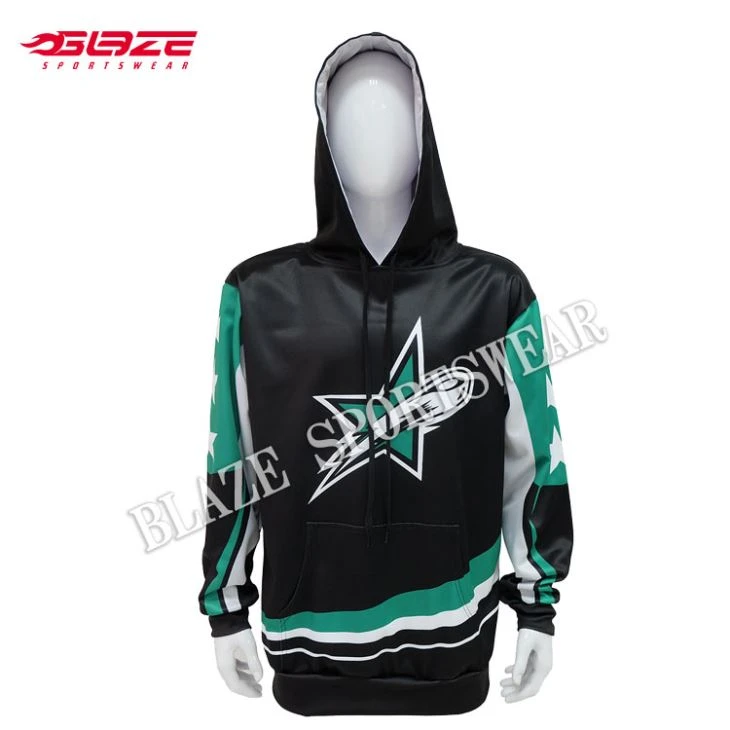
One of the most obvious ways cultural factors influence hoodie designs is through aesthetics and symbolism. Different cultures have distinct color palettes, patterns, and symbols that hold significant meaning. For example, in many Asian cultures, red is a color associated with good luck, prosperity, and celebration. Incorporating red into our hoodie designs can make them more appealing to consumers from these cultures. We might create a Full Sublimation Black Hoodie with red accents or a red - themed pattern to target this market segment.
Patterns are also deeply rooted in culture. African cultures are known for their vibrant and intricate geometric patterns, such as the Adinkra symbols from Ghana. These symbols carry moral, religious, and philosophical meanings. By integrating these patterns into our hoodie designs, we not only add a unique visual element but also tell a story. We can create a line of hoodies featuring Adinkra - inspired prints, which can attract customers interested in African culture or those looking for something different and meaningful.
In Western cultures, certain symbols like the American flag or the Union Jack have strong patriotic and cultural connotations. While using these symbols might be more controversial in some contexts, they can still be incorporated tastefully into hoodie designs. For instance, we could create a Plain Pull over Fleece Hoodies with a small, stylized version of the flag as an emblem, appealing to consumers who want to show their national pride.
Functionality and Climate
Cultural factors also influence the functionality of hoodies. Different regions have different climates and lifestyles, which in turn affect the design features of the hoodies. In colder climates, such as in Northern Europe or Canada, people need hoodies that provide more warmth. We might design hoodies with thicker materials, like heavy - weight fleece, and larger hoods to protect the head and neck from the cold. These hoodies could also have additional features such as lined pockets for keeping hands warm.
On the other hand, in warmer climates like Southeast Asia or parts of Africa, lightweight and breathable materials are preferred. We would use thin, cotton - based fabrics for our hoodies and design them with a looser fit to allow for better air circulation. The hoods might be smaller and more streamlined, as they are not primarily used for protection against the cold but rather for shade from the sun.
Cultural lifestyles also play a role in functionality. In some cultures, people are more active outdoors, participating in sports or manual labor. For these consumers, we design hoodies with durable materials and reinforced seams. They might have multiple pockets for storing tools or small items. For example, a Custom Personalized Fleece Hoodie could be designed specifically for gym - goers, with moisture - wicking fabric and a snug fit to allow for freedom of movement during workouts.
Social and Fashion Trends
Social and fashion trends are often influenced by cultural movements. For example, streetwear culture has its roots in urban communities around the world. It emphasizes self - expression, individuality, and a sense of rebellion. Our hoodie designs are heavily influenced by streetwear trends, which are often inspired by hip - hop, skateboarding, and graffiti cultures.
In recent years, there has been a growing trend of sustainable fashion, which is also influenced by cultural values. Consumers are becoming more environmentally conscious, and they expect brands to take responsibility for their environmental impact. As a hoodie factory supplier, we respond to this trend by using eco - friendly materials such as organic cotton and recycled polyester in our designs. We also promote ethical manufacturing practices, which align with the cultural values of many consumers today.
Cultural events and festivals can also drive fashion trends. For example, during the Chinese New Year, there is a high demand for clothing with Chinese - inspired designs. We create limited - edition hoodies featuring traditional Chinese motifs like dragons, phoenixes, and Chinese characters to capitalize on this cultural event.
Consumer Preferences and Marketing
Understanding cultural factors is essential for marketing our hoodie designs effectively. Different cultures have different consumer preferences when it comes to clothing. In some cultures, modesty is highly valued, so our hoodie designs might feature more conservative cuts and longer lengths. In other cultures, a more revealing or form - fitting style might be preferred.
We also need to consider cultural differences in marketing strategies. For example, in some Asian cultures, word - of - mouth and social media influencers play a crucial role in product promotion. We would collaborate with local influencers to showcase our hoodie designs and reach a wider audience. In Western cultures, traditional advertising methods such as print ads, television commercials, and online ads are still widely used.
By tailoring our marketing messages to different cultures, we can increase the appeal of our hoodie designs. For example, when marketing to a Latin American audience, we might use more passionate and emotional language in our ads, as Latin American cultures are known for their expressiveness.
Incorporating Cultural Elements in Our Designs
As a supplier for a hoodies factory, we take a multi - faceted approach to incorporating cultural elements into our designs. First, we conduct extensive market research to understand the cultural preferences and trends in different regions. This involves analyzing fashion shows, social media platforms, and consumer surveys.
We then collaborate with designers who have a deep understanding of different cultures. These designers are able to translate cultural concepts into unique and appealing hoodie designs. They work closely with our production team to ensure that the designs can be manufactured efficiently without compromising on quality.
We also encourage feedback from our customers. By listening to their suggestions and preferences, we can continuously improve our designs and better meet their cultural needs. For example, if a group of customers from a particular culture requests a specific symbol or pattern to be included in our hoodie designs, we take this into consideration and explore the possibility of incorporating it.
Conclusion
In conclusion, cultural factors have a profound influence on the designs of a hoodies factory. From aesthetics and symbolism to functionality, social trends, and consumer preferences, culture shapes every aspect of our hoodie designs. As a supplier, it is our responsibility to understand these cultural factors and use them to create products that are not only visually appealing but also relevant to different markets.
If you are interested in our hoodie designs and would like to discuss potential procurement opportunities, please feel free to reach out. We are always open to new partnerships and are eager to work with you to bring your unique ideas to life. Whether you are looking for a large - scale order for your brand or a custom - made design for a special event, we have the expertise and resources to meet your needs.
References
- Berger, A. A. (2015). Advertising as Culture. Routledge.
- Entwistle, J. (2015). The Fashioned Body: Fashion, Dress and Modern Social Theory. Polity.
- Kottak, C. P. (2017). Cultural Anthropology. McGraw - Hill Education.