

In the dynamic landscape of the fashion industry, consumer preferences are in a constant state of flux. As a supplier to hoodies factories, I've witnessed firsthand the challenges and opportunities that come with adapting to these ever - changing trends. In this blog, I'll share insights into how hoodies factories can stay ahead of the curve and meet the evolving demands of consumers.
Understanding the Shifting Consumer Preferences
To adapt effectively, hoodies factories must first understand what drives the changes in consumer preferences. In recent years, there has been a significant shift towards functionality, sustainability, and personalization.
Functionality has become a top priority for many consumers. With the rise of fitness and outdoor activities, people are looking for hoodies that can keep up with their active lifestyles. For instance, Running Hoodies Custom Your Unique Design are in high demand as they offer features like moisture - wicking fabric, breathable mesh panels, and adjustable hoods. These features not only enhance the performance of the hoodie but also provide a more comfortable experience for the wearer.
Sustainability is another major trend that is shaping consumer preferences. Today's consumers are more environmentally conscious than ever before and are willing to pay a premium for products that are made from sustainable materials. Hoodies factories are increasingly using organic cotton, recycled polyester, and other eco - friendly fabrics to meet this demand. For example, the 100% Polyester Fabric No Zipper Hoodie made from recycled polyester not only reduces the environmental impact but also offers durability and comfort.
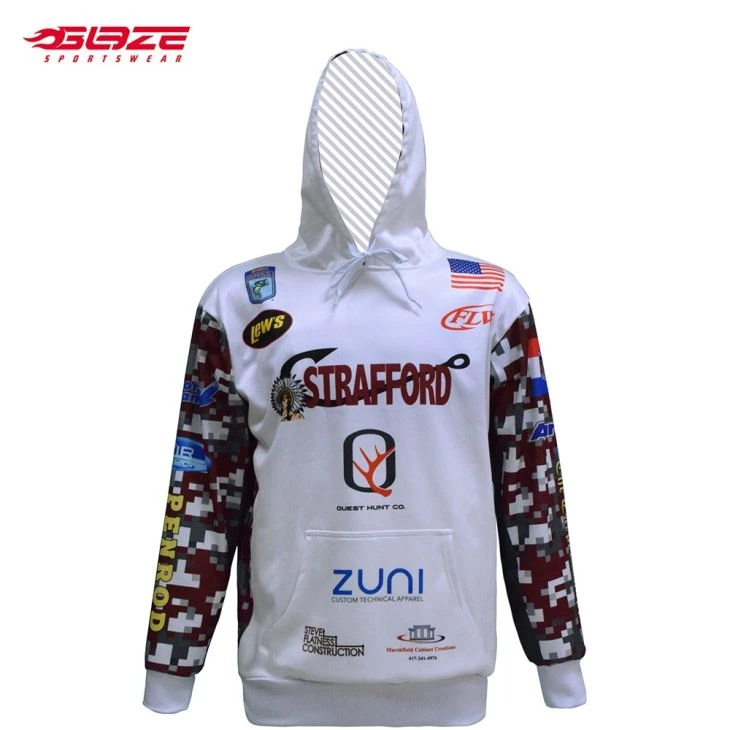
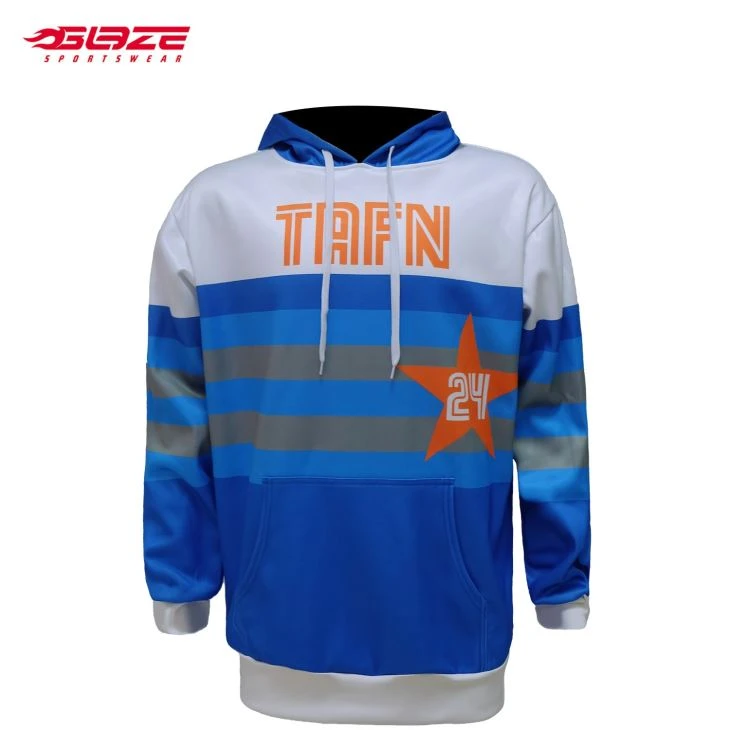
Personalization has also emerged as a key factor in consumer decision - making. Consumers want to express their individuality through their clothing, and hoodies are no exception. Factories are now offering customization options such as printing, embroidery, and unique color combinations. This allows consumers to create a hoodie that is truly one - of - a - kind, like the custom running hoodies mentioned earlier.
Adapting the Production Process
Once the factories have a clear understanding of the changing consumer preferences, they need to adapt their production processes accordingly. This involves making changes in terms of materials, design, and manufacturing techniques.
In terms of materials, as mentioned earlier, there is a growing demand for sustainable and functional fabrics. Factories need to source these materials from reliable suppliers and ensure that they meet the required quality standards. They also need to invest in research and development to explore new materials and technologies that can further enhance the performance and sustainability of their hoodies.
Design is another crucial aspect of the production process. Factories need to stay updated with the latest fashion trends and incorporate them into their hoodie designs. At the same time, they need to balance the trendiness with the functionality and comfort requirements of the consumers. For example, a Comfortable Mens Plain Hoodie may seem simple, but its design should still take into account factors like fit, fabric quality, and ease of movement.
Manufacturing techniques also need to be adapted to meet the changing demands. For instance, to offer customization options, factories may need to invest in digital printing and embroidery machines. These machines allow for more precise and detailed customization, which can significantly enhance the value of the hoodies. Additionally, factories can implement lean manufacturing principles to improve efficiency and reduce waste in the production process.
Marketing and Branding Strategies
Adapting to changing consumer preferences is not just about the production process; it also involves developing effective marketing and branding strategies. Factories need to communicate the unique features and benefits of their hoodies to the consumers.
One way to do this is through social media marketing. Platforms like Instagram, Facebook, and TikTok are powerful tools for reaching a wide audience and showcasing the latest hoodie designs. Factories can create engaging content such as product videos, lookbooks, and user - generated content to attract potential customers. They can also collaborate with influencers and brand ambassadors who can help promote their products to their followers.
Another important aspect of marketing is storytelling. Factories can tell the story behind their hoodies, such as the sustainable sourcing of materials or the innovative manufacturing techniques used. This helps to build an emotional connection with the consumers and makes the brand more appealing.
In addition to social media, factories can also participate in trade shows and fashion events. These events provide an opportunity to showcase their products to industry professionals and potential buyers. Factories can also use these events to gather feedback from the market and stay updated with the latest industry trends.
Building Strong Partnerships
To successfully adapt to changing consumer preferences, hoodies factories need to build strong partnerships with suppliers, designers, and retailers.
Working closely with suppliers is essential to ensure a steady supply of high - quality materials. Factories can collaborate with suppliers to develop new materials and negotiate better prices. They can also establish long - term relationships with suppliers to ensure reliability and consistency in the supply chain.
Partnering with designers can bring fresh ideas and creativity to the hoodie designs. Designers can help factories stay ahead of the fashion trends and create unique products that stand out in the market. Factories can also work with designers to develop exclusive collections that target specific consumer segments.
Retailers play a crucial role in getting the hoodies to the consumers. Factories need to build strong relationships with retailers to ensure that their products are well - represented in the stores. They can provide retailers with marketing support, training, and exclusive offers to encourage them to promote their hoodies.
Conclusion
In conclusion, adapting to changing consumer preferences is a continuous process for hoodies factories. By understanding the key trends such as functionality, sustainability, and personalization, adapting the production process, developing effective marketing and branding strategies, and building strong partnerships, factories can stay competitive in the market.
If you're interested in sourcing high - quality hoodies that meet the latest consumer preferences, I encourage you to reach out for a procurement negotiation. We are committed to providing the best products and services to our customers.
References
- Fashion Institute of Technology. (2023). The State of Fashion: Key Trends Shaping the Industry.
- Textile World. (2023). Sustainable Fabrics in the Hoodie Market.
- Statista. (2023). Consumer Preferences in the Apparel Industry.